Many brands treat the purchase as the finish line. But for high-growth eCommerce stores, it’s just the beginning. What happens after the checkout is where long-term revenue is built. That’s where Klaviyo post-purchase flows shine.
Post-purchase emails aren’t just about saying thank you. They’re your best chance to guide customers, delight them, and set up the next sale. These flows enhance customer lifetime value (LTV), increase retention, and foster word-of-mouth growth.
In this 2026 playbook, we’ll show you how to structure a post-purchase flow that does more than confirm an order. It nurtures loyalty.
Why Post-Purchase Flows Matter More Than Ever?
Acquiring new customers is expensive. Retaining them is where the profit lives. According to Klaviyo data, customers who receive post-purchase emails are more likely to reorder within 60 days. They’re also more likely to leave positive reviews and refer others.

A solid post-purchase flow builds trust, reduces returns, and creates momentum for future conversions. If you’re not using this automation, you’re missing your easiest LTV boost.
The Ideal Post-Purchase Flow Structure
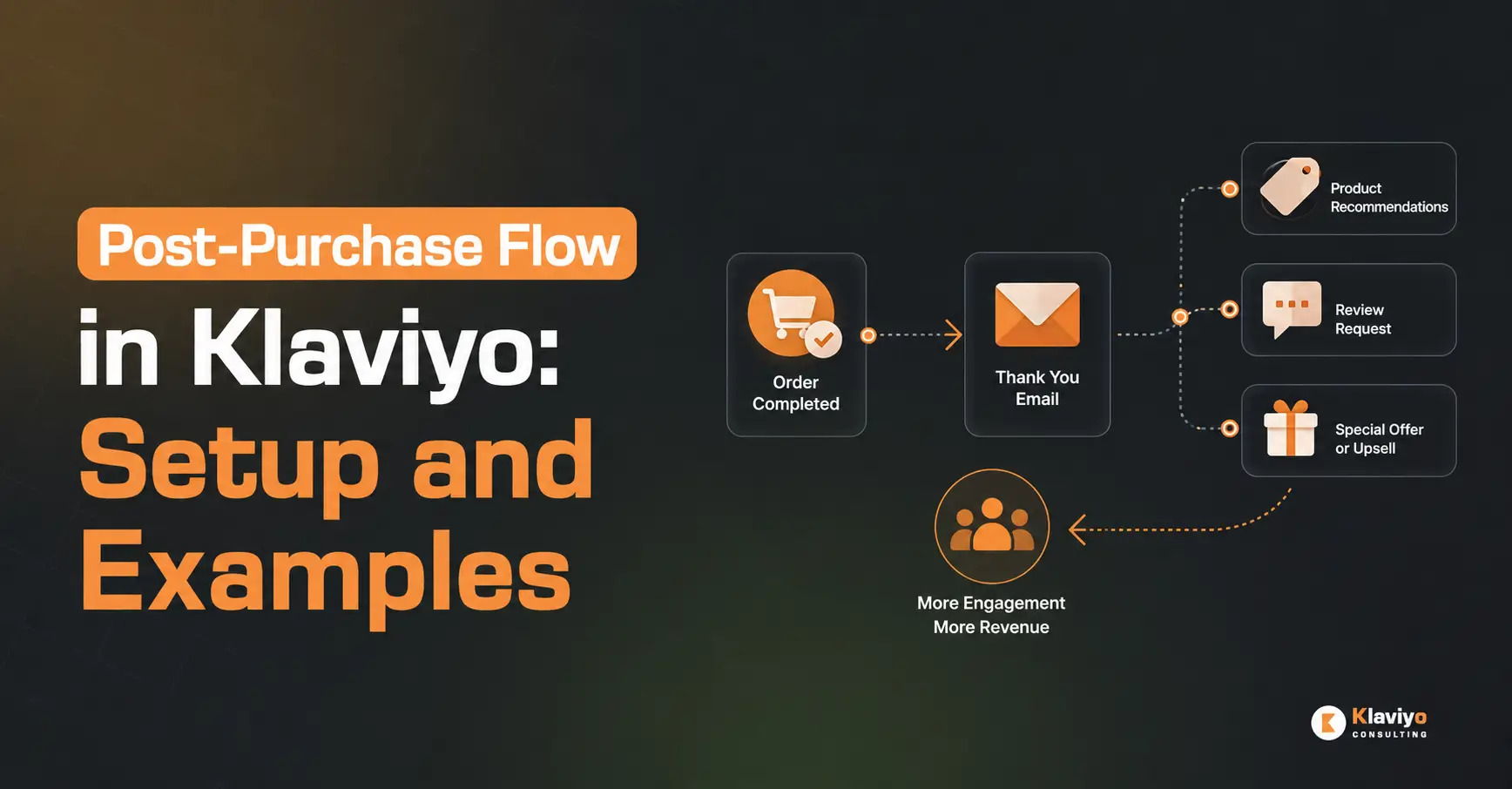
Let’s break down a high-performing post-purchase flow. Each message serves a specific purpose to educate, engage, and extend the relationship.
Email 1: Order Thank You and What to Expect
Send immediately after purchase. Thank the customer and confirm their order. Please let them know what happens next regarding shipping, support, and delivery time.
This builds confidence and reduces anxiety. It also sets the tone for the relationship.
Email 2: Product Education and How-To Content
Send 2–3 days after the expected delivery window. Help the customer use their product effectively. Share tutorials, styling ideas, FAQs, or best practices.
If customers understand how to use their purchase, they’re more likely to enjoy it and less likely to return it.
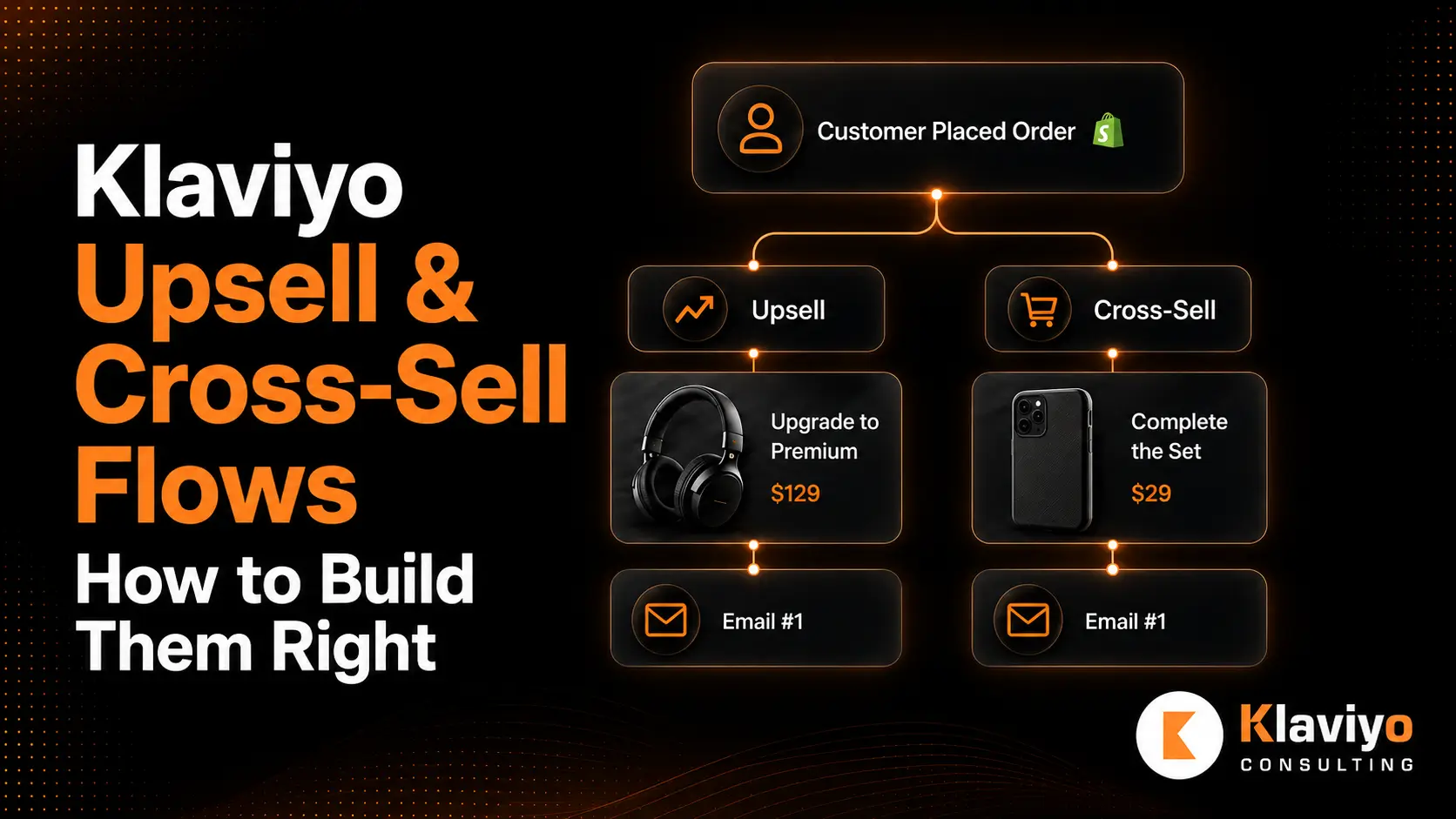
Email 3: Cross-Sell or Related Product Suggestion
Send 5–7 days after delivery. Based on the product they ordered, suggest a logical add-on or complementary item.
Use dynamic blocks to personalize recommendations. For example, “You got the juicer, how about our 3-pack of organic fruit powders?”
Email 4: Review or UGC Request
Send 7–10 days after delivery. Ask for a product review or user-generated content (like a selfie or video using the product). Sweeten the deal with a discount or loyalty points.
This builds social proof and deepens the customer’s investment in your brand.
Email 5: Loyalty or Referral Program Invitation
Send 10–14 days post-purchase. If the customer had a good experience, now’s the time to invite them to your loyalty or referral program.
Use their satisfaction as momentum to encourage repeat purchases and brand advocacy.
Tips to Customize and Maximize Flow Performance

A cookie-cutter post-purchase flow won’t cut it in 2026. To achieve the best results, tailor your messaging to match what the customer actually purchased.
Time Messages Based on Shipping and Delivery
Don’t send usage tips before the product arrives. Use Klaviyo’s Shopify integration to synchronize order status and establish delays based on actual fulfillment timelines.
Segment by Product Type or Price Point
Someone who buys a $15 accessory should get a different flow than someone who purchases a $500 flagship product. Use conditional logic to branch your flow based on order value or item tags.
Add SMS Touchpoints for Higher Engagement
Combine email with SMS for high-priority messages, such as delivery alerts, UGC requests, or referral invitations. SMS often gets faster responses and feels more personal.
Example: “Hey [First Name], we’d love to see your [Product Name] in action. Snap a pic and tag us to earn 10% off your next order!”
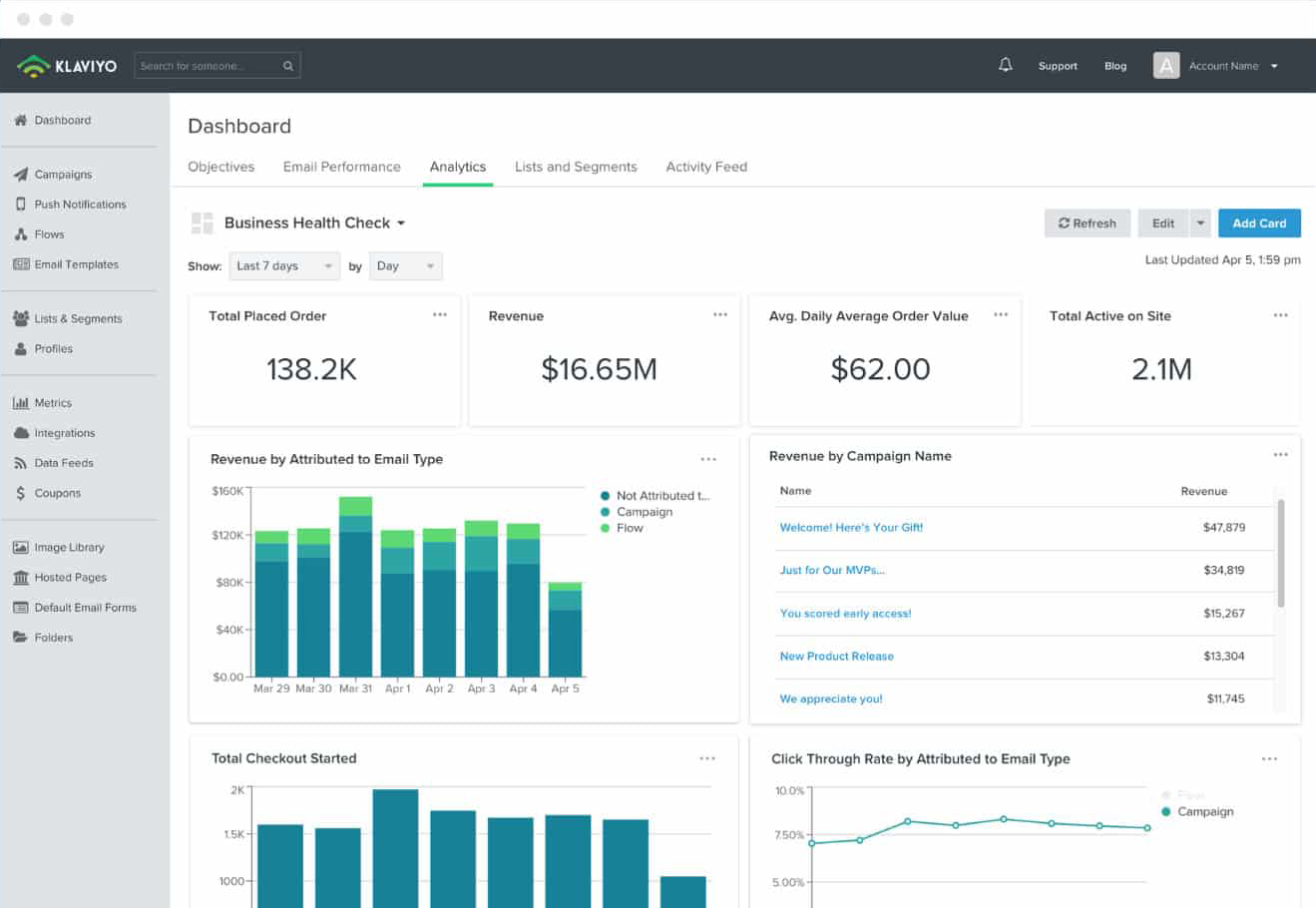
Track Flow Goals and Revenue Attribution
Klaviyo lets you track how much money each email in your post-purchase flow earns. Set clear goals, such as “Placed Order” or “Submitted Review,” to monitor what’s working. Refine subject lines, email design, and timing based on what drives the most results.
Real Examples of Winning Post-Purchase Emails
These examples strike a balance between clarity, personality, and intent, ensuring every message strengthens the customer relationship and nudges them toward the next step.
Welcome + Surprise
“Thank you, Alex! Your order is confirmed. It’ll ship within 48 hours. In the meantime, enjoy a free recipe eBook just for our new customers.”
How-To Email
“Your espresso maker has arrived. Here’s how to get the perfect shot, every time. Watch the 2-minute setup video here.”
Cross-Sell
“Customers who bought your blender also love our Protein Booster Packs. Get 20% off if you order in the next 3 days.”
Review Request
“We hope you’re loving your new hoodie! Share your thoughts and get 15% off your next order.”
Referral Program
“Love your purchase? Invite a friend. They get $10 off, and you do too. Win-win.”
Common Mistakes to Avoid
Here are the mistakes that could quietly sabotage your flow, and learn how to avoid them.
Sending Only a Confirmation Email
Don’t stop at the receipt. Customers want to know what’s next and how to use what they bought.
No Personalization
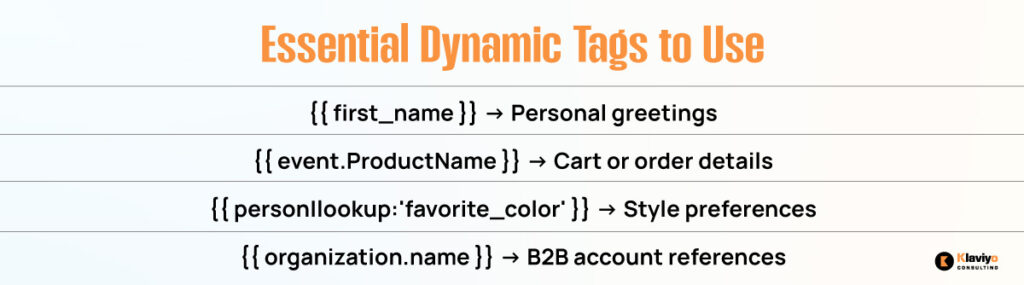
Generic messaging feels lazy. Use tags like {{ first_name }} and product-specific blocks to tailor each message.
Bad Timing
Sending a review request before the item arrives will only frustrate your customers. Always consider the shipping window.
Ignoring High-Spend Customers
People who buy more should get more attention. Create VIP post-purchase flows for customers who spend above your average order value.
Make the Sale Just the Beginning
Launching a post-purchase flow in Klaviyo isn’t just about thanking customers; it’s also about understanding their needs and preferences. It’s about keeping them close, guiding them, and setting the stage for the next conversion.
With just a few emails and maybe a couple of texts, you can turn one-time buyers into loyal, high-value customers. The structure is simple, the tools are built-in, and the revenue impact is real. In 2026, brands that excel in the post-purchase experience will win customer loyalty for life.